
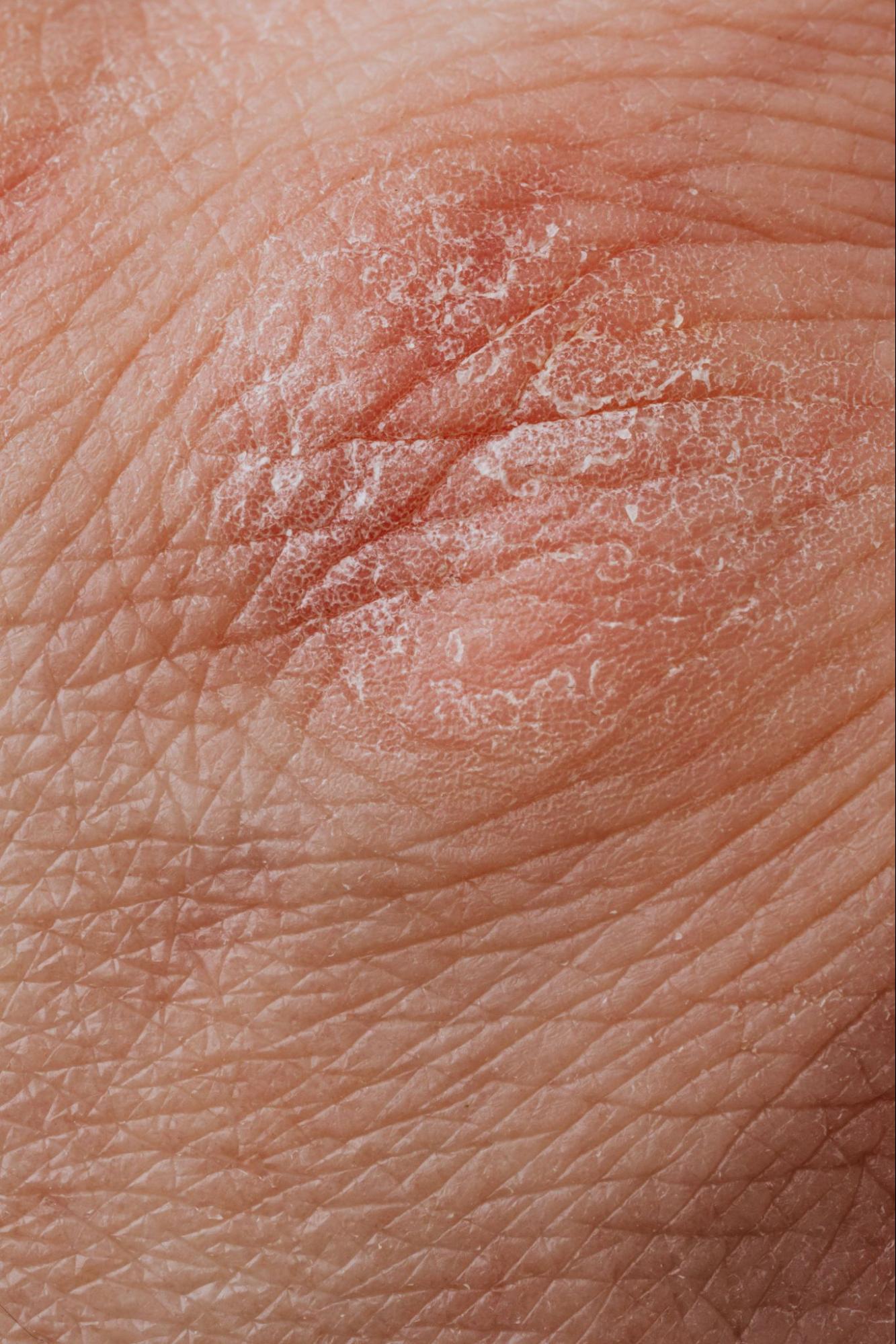
Rough or "crusty" skin can develop on different parts of the body, from the heels and scalp to the elbows, knees, palms and even between the toes. While it is often caused by simple dryness or friction, persistent scaling may sometimes indicate an underlying skin condition that requires medical attention.
We believe that healthy skin begins with understanding why these changes occur. Identifying the underlying cause allows us to recommend the most appropriate treatment and prevent the problem from recurring.
Why Does Skin Become Crusty?
The outermost layer of the skin, known as the stratum corneum, acts as a protective barrier. When this barrier becomes damaged or loses moisture, the skin responds by thickening, flaking or becoming rough.
Several factors can contribute to crusty skin, including:
- Dry skin and dehydration
- Repeated friction or pressure
- Frequent exposure to water or harsh detergents
- Cold weather and low humidity
- Unsuitable footwear or clothing
- Chronic skin conditions such as eczema or psoriasis
- Fungal infections
- Certain medical conditions, including diabetes or poor circulation
Although crusty skin is often harmless, persistent symptoms should not be ignored, particularly if they are associated with pain, inflammation or cracking.
Crusty Skin on the Heels
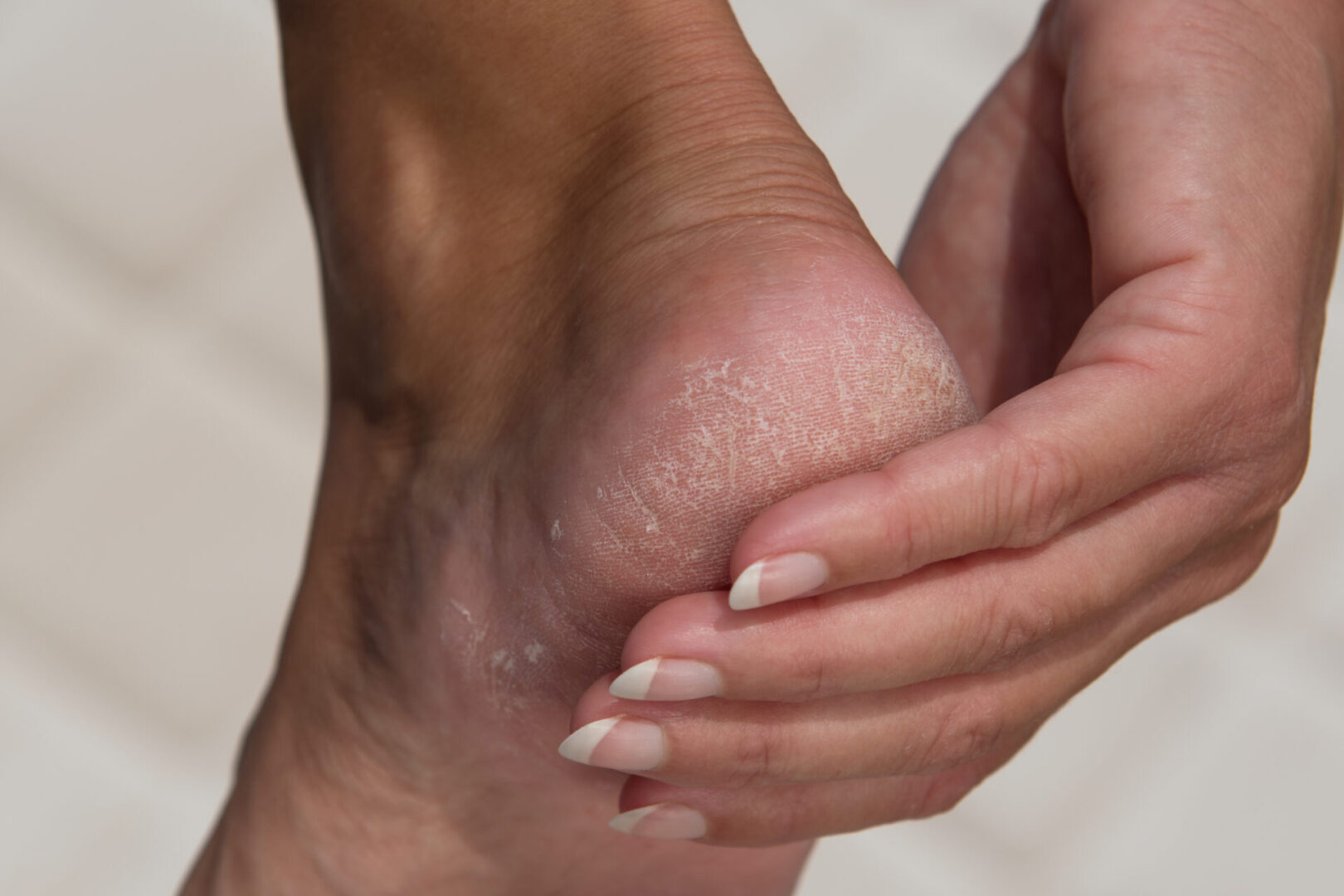
The heels are one of the most common areas to develop rough, thickened skin. The skin on the soles of the feet is naturally thicker than elsewhere on the body and is constantly subjected to pressure while standing and walking.
Common causes include:
- Dry skin
- Dehydration
- Unsupportive footwear
- Prolonged standing
- Excess body weight
- Inadequate foot care
In some cases, eczema, psoriasis, diabetes or varicose veins may also contribute.
How to Treat Rough Heels
For uncomplicated dry skin, regular moisturising is usually effective. Products containing:
- Urea (10-25%)
- Lactic acid
- Salicylic acid
can help soften thickened skin and improve hydration. Gentle exfoliation may also be beneficial.
However, we strongly advise against removing thickened skin with blades or sharp tools at home, as this increases the risk of painful cracks and infection.
If deep fissures, swelling, redness or significant pain develop, it is important to seek assessment from a doctor or podiatrist.
Crusty Skin Between the Toes
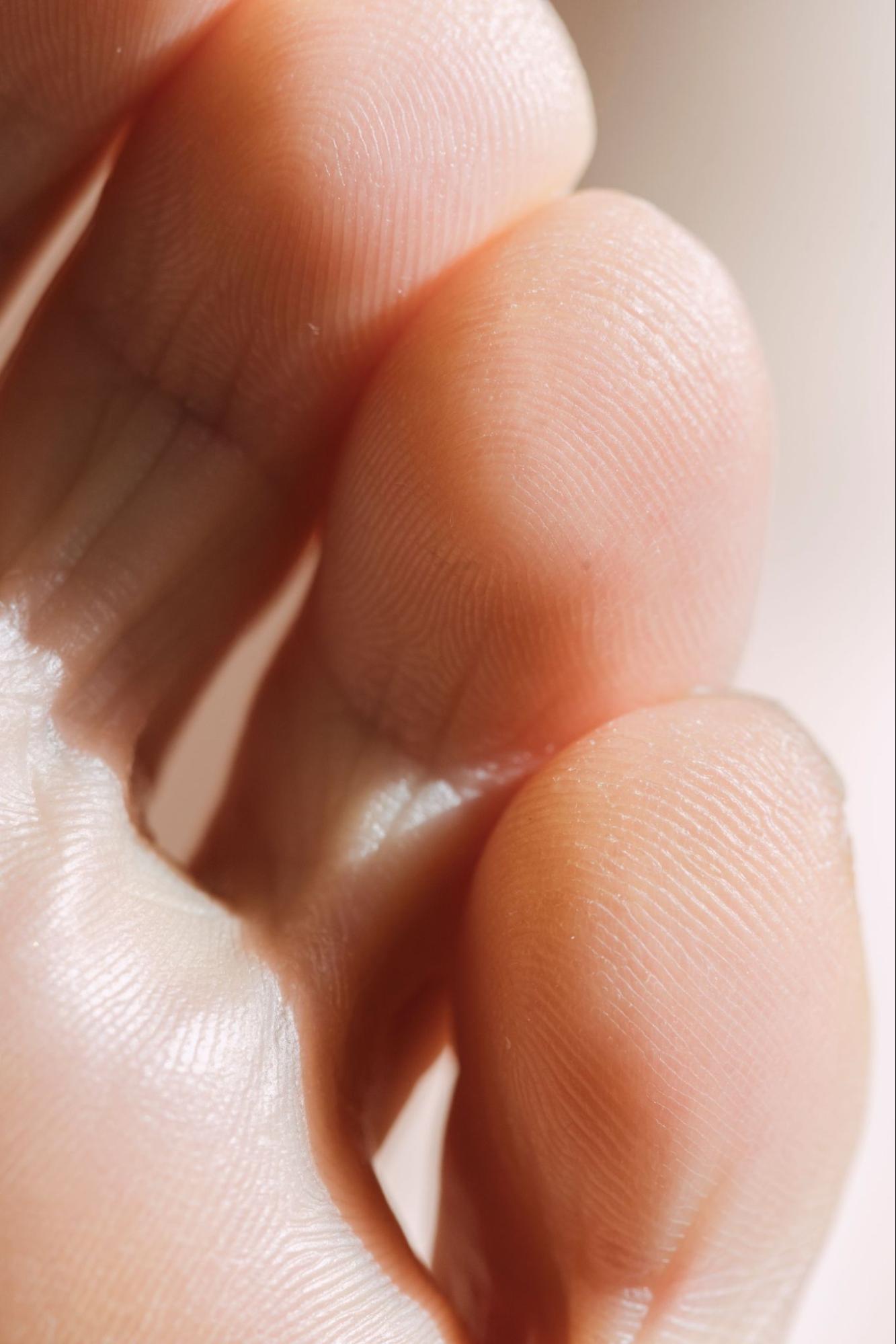
Peeling or crusty skin between the toes is most commonly caused by athlete's foot (tinea pedis), a fungal infection that thrives in warm, moist environments such as sweaty shoes, communal gyms and swimming pools.
Typical symptoms include:
- Itching
- Peeling skin
- White, softened patches
- Small cracks
- Unpleasant odour
However, eczema, skin irritation or allergic reactions to footwear or skincare products can produce similar symptoms.
Treatment and Prevention
Many cases respond well to over-the-counter antifungal creams containing ingredients such as:
- Clotrimazole
- Terbinafine
Treatment should always be continued for the full recommended course, even if symptoms improve quickly.
To reduce the risk of recurrence:
- Dry carefully between the toes after showering.
- Change socks daily.
- Wear breathable footwear.
- Avoid walking barefoot in communal showers and swimming pools.
If symptoms repeatedly return or become painful, a consultation with a dermatologist is recommended.
Crusty Skin on the Elbows and Knees
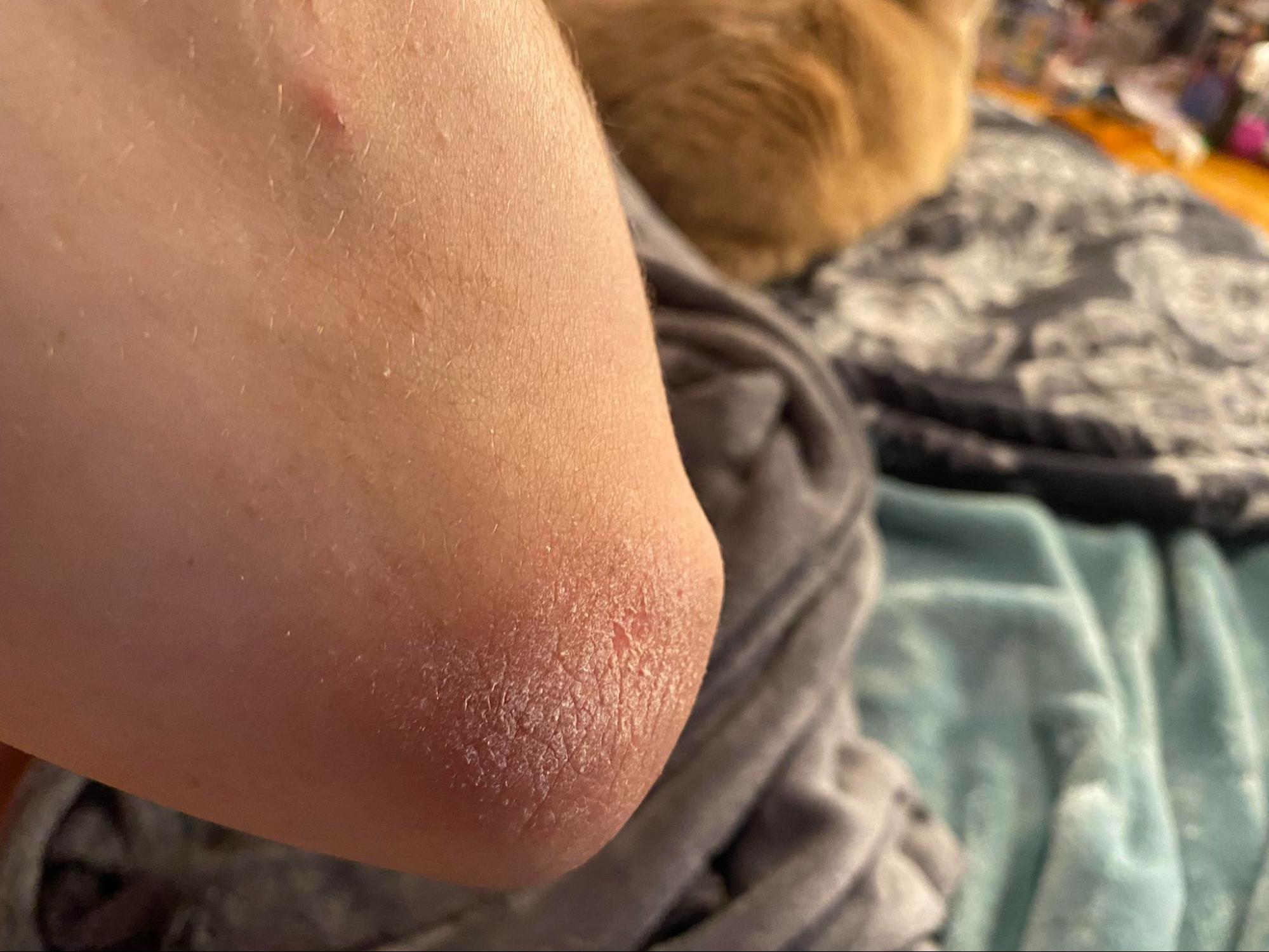
The elbows and knees are naturally exposed to repeated friction and pressure, making them particularly prone to dryness and thickening.
Many people notice rough or darker skin in these areas, especially during colder months or after frequent exposure to hard water.
However, more pronounced scaling may also be associated with:
- Eczema
- Psoriasis
- Chronic irritation
Home Care
Regular moisturising remains the foundation of treatment.
Products containing:
- Urea
- Lactic acid
- Ceramides
can improve hydration and help soften thickened skin.
Gentle cleansing and avoiding aggressive scrubs are also important.
If the skin becomes very thick, develops painful cracks, severe itching or bright red plaques, medical treatment may be required. Depending on the diagnosis, a doctor may prescribe topical anti-inflammatory medication or other targeted therapies.
Crusty Skin on the Palms
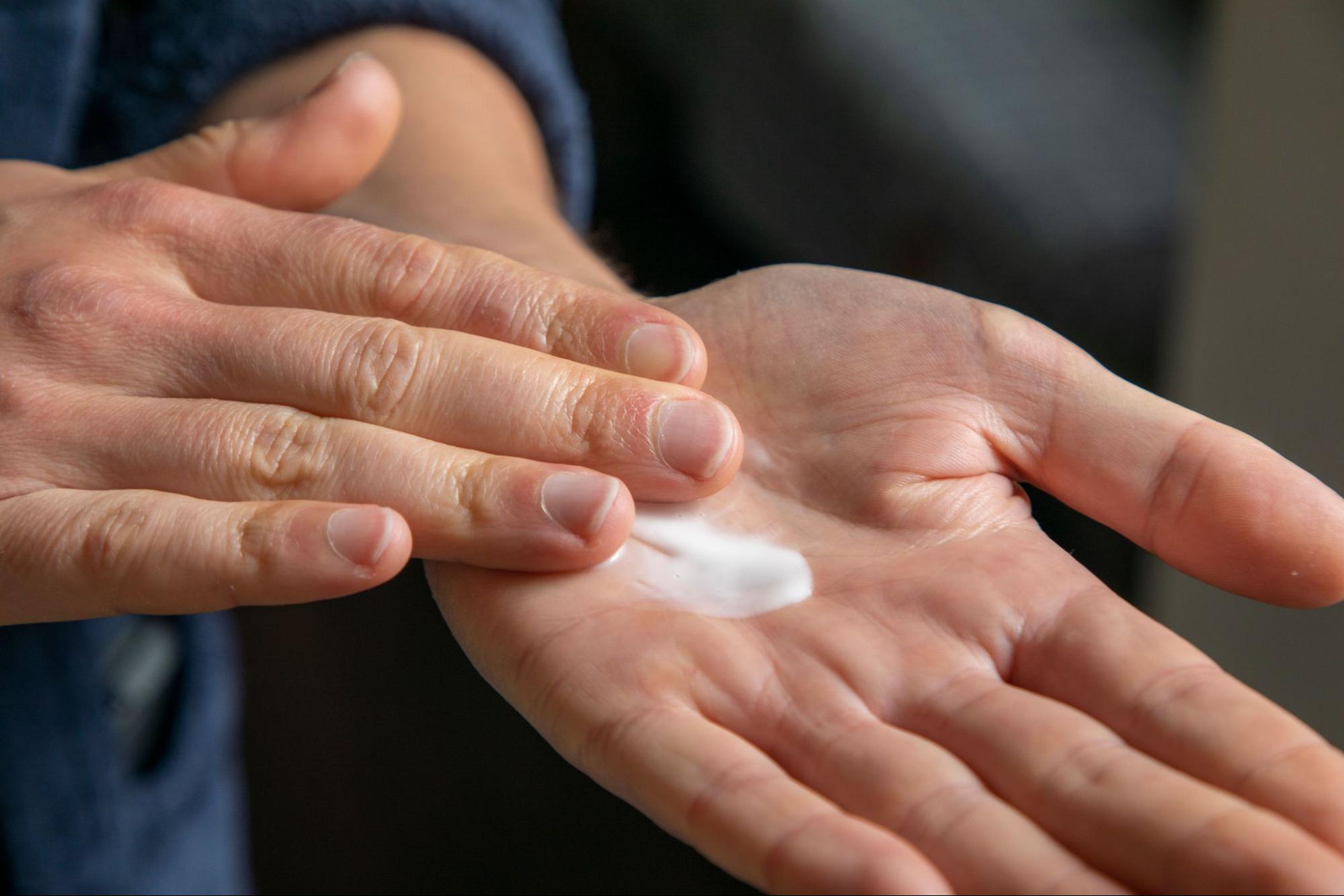
The palms are frequently exposed to water, soaps, alcohol-based sanitisers and household cleaning products. Over time, these can damage the skin barrier, resulting in excessive dryness and peeling.
One of the most common causes is irritant contact dermatitis, where repeated exposure to irritants gradually weakens the skin's natural protective barrier.
Other possible causes include:
- Eczema
- Allergic contact dermatitis
- Psoriasis
- Fungal infection
Symptoms may include:
- Dry, rough skin
- Painful cracks
- Peeling
- A tight, "paper-like" texture
Restoring the Skin Barrier
Treatment focuses on protecting and repairing the skin barrier.
Rich creams or ointments containing:
- Ceramides
- Glycerin
- Urea
can significantly improve hydration.
It is also advisable to:
- Wear gloves while cleaning.
- Reduce exposure to harsh chemicals.
- Apply thicker ointments overnight for intensive repair.
Persistent inflammation, itching or painful cracking should be assessed by a healthcare professional to rule out eczema, allergies or other underlying conditions.
When Should You See a Dermatologist?
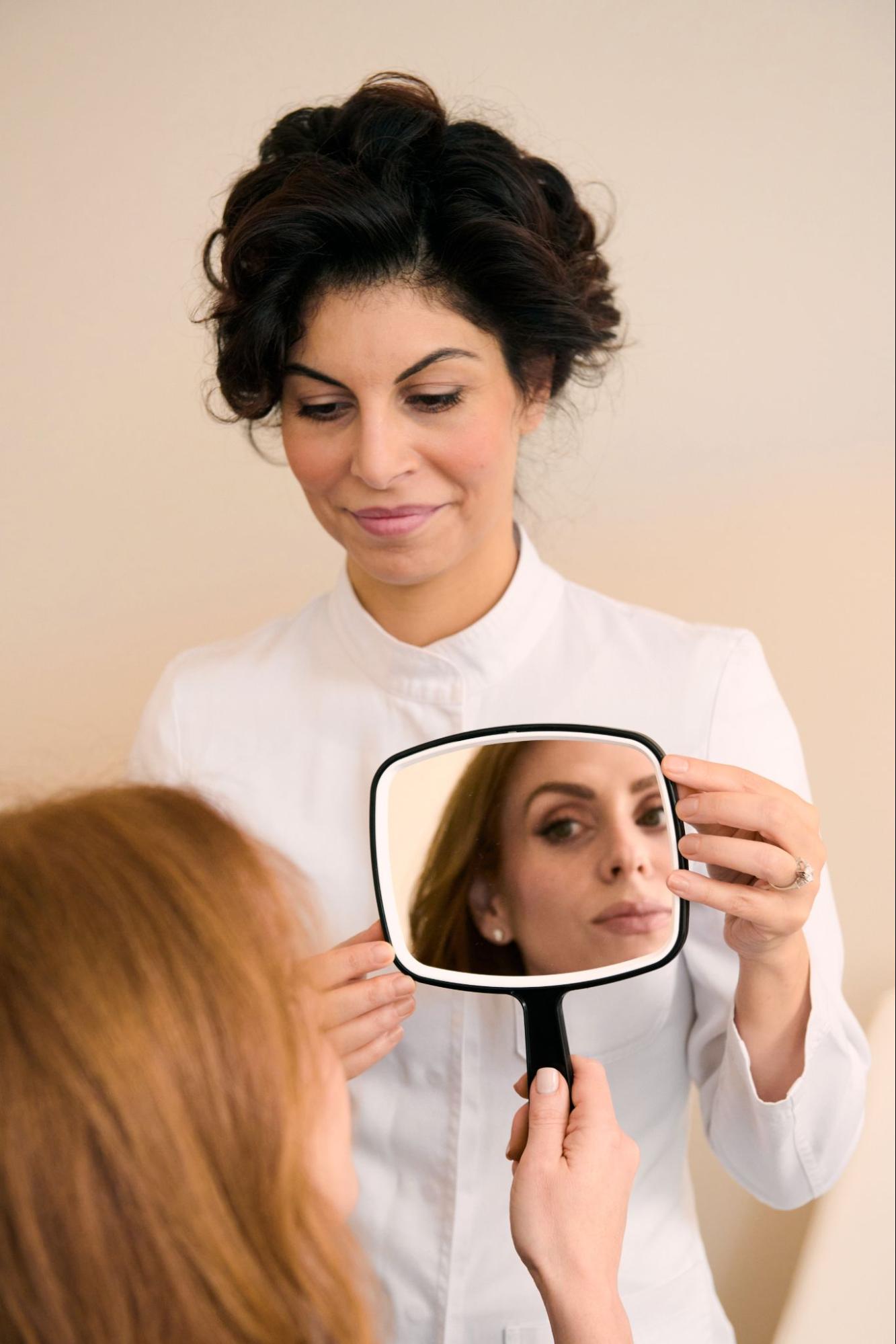
While many cases of crusty skin improve with appropriate skincare, medical assessment is recommended if you experience:
- Deep or painful cracks
- Persistent redness or inflammation
- Thick plaques
- Hair loss affecting the scalp
- Recurrent fungal infections
- Symptoms that do not improve with home treatment
- Skin changes associated with diabetes or poor circulation
Early diagnosis can prevent complications and ensure that any underlying condition is treated appropriately.
Our Approach at Libi & Daughters
At Libi & Daughters, we recognise that rough, flaky skin is not always simply a cosmetic concern. Whether caused by dryness, inflammation, infection or an underlying medical condition, successful treatment begins with an accurate diagnosis.
Our approach combines detailed skin assessment with personalized treatment plans designed to restore the skin barrier, reduce inflammation and address the underlying cause - helping you achieve healthier skin for the long term.
If you are concerned about persistent rough, flaky or crusty skin, we invite you to book a consultation with our team for a comprehensive assessment and tailored treatment plan.